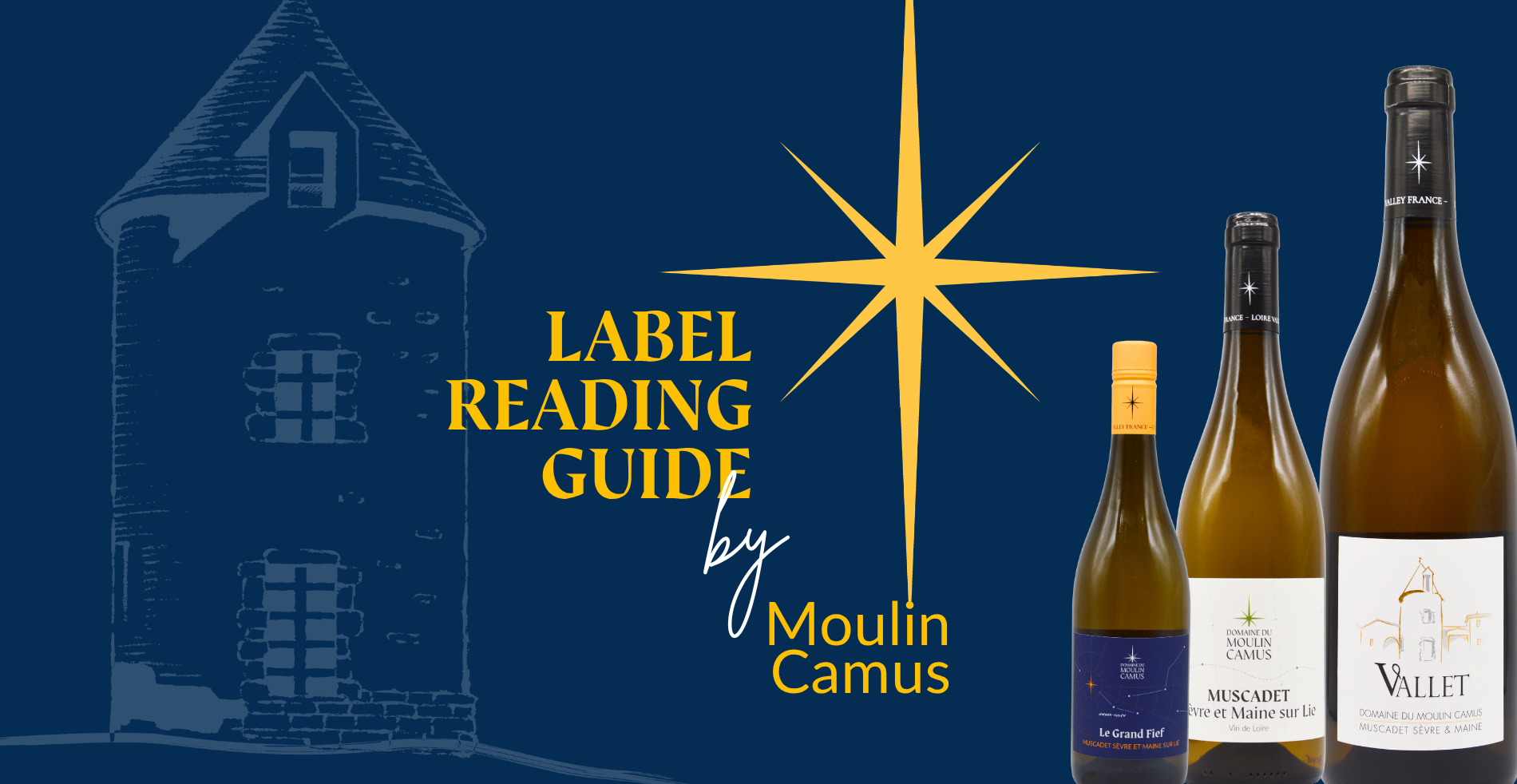
Standing in front of a wine shelf, a label can easily look like an encrypted code: appellation names, the term sur lie, cru communal designations, vintages, and more. Yet every single word offers valuable insight into the wine waiting in the bottle. With the festive season coming, Domaine du Moulin Camus breaks down how to read a Muscadet label so you can choose the ideal bottle for any palate or occasion.
Mandatory information: the core fundamentals
The appellation: Muscadet, Sèvre et Maine, Coteaux de la Loire…
This is the first piece of information to look for on a label. It establishes the wine’s geographic origin, the production standards upheld, and the specificity of its terroir. In France, wines fall into three overarching categories:
- AOC (Appellation d’Origine Contrôlée): The most strictly regulated tier. Each appellation defines a precise geographic boundary, authorized grape varieties, restricted yields, and strict viticultural and winemaking practices. Every wine is certified and tasted prior to commercial release.
- IGP (Indication Géographique Protégée): Identifies a broader geographic region (such as Val de Loire) under more flexible regulations, granting winemakers greater latitude—particularly with grape selection. This category is where you will find regional Chardonnay, Sauvignon Blanc, Gamay, Merlot, or Cabernet Franc from the Nantes vineyards.
- Vin de France: Carries no specific geographic origin. It gives winemakers substantial creative freedom, though without terroir-specific standards.
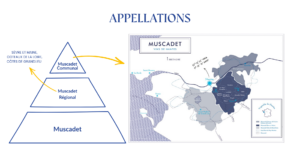
Within the Nantes wine region, four distinct appellations produce Muscadet:
- Muscadet: The broadest regional appellation, covering the entire production basin. It delivers crisp, light, refreshing white wines meant to be enjoyed young.
- Muscadet Sèvre et Maine: The historic heart of the vineyard area, situated south-east of Nantes along the two rivers from which it takes its name. It represents the vast majority of production and is the exclusive cradle of the recognized crus communaux.
- Muscadet Coteaux de la Loire: Situated on the hillsides overlooking the Loire River east of Nantes, this is the most confidential of the four, known for tense, vibrant, mineral-driven profiles.
- Muscadet Côtes de Grandlieu: Located south-west of Nantes around Lake Grand-Lieu, yielding rounder, generously fruity profiles.
Key Distinction: Muscadet is the protected name of the wine and appellation, not the grape variety. The grape itself is Melon de Bourgogne.
Vintage, alcohol content, and bottling declarations
Labels must also feature several additional regulatory details:
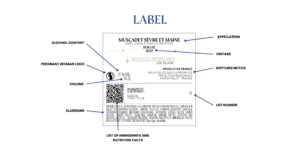
- Vintage (Millésime): The harvest year. While not strictly mandatory for an AOC wine, if displayed, at least 85% of the grapes must come from that specific harvest.
- Alcohol by Volume (ABV): Expressed as a percentage (% vol.). Regulations permit a standard 0.5% tolerance between the indicated label figure and laboratory analysis.
- Bottler Information: Discloses the legal bottling entity and municipality. The phrase Mis en bouteille au domaine (or à la propriété) guarantees that the estate estate-grew, vinified, and bottled the wine directly, ensuring complete traceability.
- Nutritional & Ingredients QR Code: Directs consumers to the full list of ingredients and nutritional values—a mandatory EU requirement beginning with the 2024 vintage.
Labels also feature other legal prerequisites: net volume, allergen declarations (specifically sulfites), pregnancy warning pictograms, and batch/lot numbers.
Terms that define the wine’s style
Sur Lie: a guarantee of maturation on lees
The mention sur lie is not an appellation in itself, but an officially recognized traditional mention permitted on sub-regional Muscadet appellations (Sèvre et Maine, Côtes de Grandlieu, Coteaux de la Loire).
It certifies a specific ageing method: the wine rests on its fine fermentation lees—the spent yeast cells—throughout the winter without racking or filtration before bottling. This extended contact adds texture, aromatic complexity, roundness, and the style’s signature natural, delicate spritz (perlant).
To learn more about this technique, check out our article: What Is Aging on the Lees? The Hallmark of Muscadet.
Crus Communaux: the pinnacle of terroir
The crus communaux sit at the very top of the Muscadet quality hierarchy. Designated within the Muscadet Sèvre et Maine appellation, they highlight exceptional, village-level terroirs that each express a distinct geological identity.
Their defining standard: extended ageing on the lees, typically for a minimum of 24 months. This patience produces concentrated, structured, and age-worthy white wines. Recognized crus include Clisson, Gorges, Le Pallet, Goulaine, Monnières-Saint-Fiacre, Château-Thébaud, Mouzillon-Tillières, Champtoceaux, La Haye-Fouassière, and Vallet, home to Domaine du Moulin Camus.
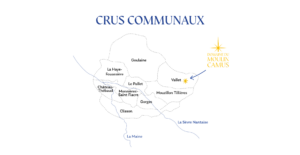
Our Cru Vallet, grown on micaschist soils, spends 36 months on its lees. Vinified with indigenous yeasts and regular bâtonnage (lees stirring), it reveals remarkable power, depth, and rich notes of candied fruit and warm spice.
Cuvée designations (vieilles vignes, terroir, single vineyards)
Beyond legal appellations, estates name individual cuvées to highlight their origins and craft:
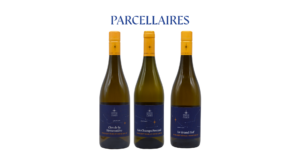
- Terroir & Single-Vineyard Selections (Sélections Parcellaires): These display the name of a specific parcel, vineyard plot, or enclosed vineyard (clos). Winemakers isolate fruit from a dedicated terroir to highlight its unique mineral footprint. At our estate, Les Champs Perraud, Le Clos de la Hersonnière, and Le Grand Fief are crafted using this parcel-driven approach on distinctive gabbro soils.
- Extended Ageing Cuvées: Highlight the time spent on lees. Longer maturation builds greater texture, secondary aromatic complexity, and cellar potential.
- Classic Estate Terms:
- Vieilles Vignes (Old Vines): Sourced from the estate’s most mature vines (often over 40 to 50 years old), whose deep root systems yield lower yields, greater concentration, and substantial texture.
- Cuvée Prestige or Sélection: Premium estate bottlings, often representing top parcel selections or superior harvest lots.
- Domaine or Classic: The quintessential expression of Muscadet—fresh, vibrant, and approachable in its youth.
Selecting the right bottle for the occasion
Crisp, elegant Muscadet for casual entertaining
For an aperitif or casual grazing table, our Muscadet Sèvre et Maine sur lie is the ideal choice. Aged between 6 and 9 months on fine lees, it delivers bright citrus, orchard fruit aromas, and a balanced palate that combines refreshing acidity with subtle richness.
Its saline, citrus-led profile pairs naturally with shared bites:
- Chilled prawns and shrimp, where the wine’s natural salinity complements maritime sweetness.
- Smoked trout rillettes on artisanal sourdough, with crisp acidity cutting through the natural richness.
- Herbaceous tzatziki, echoing the wine’s crisp citrus finish.
- Silky hummus, whose creamy texture is complemented by the wine’s roundness on the palate.
Structured Sur Lie and Crus Communaux for fine dining
Holiday banquets and fine dining call for white wines with weight, depth, and presence. Our Cru Vallet is an accomplished gastronomic wine, built for rich reductions, delicate sauces, and noble fish.
For distinctive terroir character, our three single-vineyard cuvées—each aged 18 months on lees—express the nuances of their individual plots:
- Les Champs Perraud: Powerful and expressive, with lively citrus and exotic fruit notes. Exceptional alongside plancha-seared sea bass or aged Loire Valley goat cheese (Crottin de Chavignol).
- Le Clos de la Hersonnière: Fleshy and distinctly mineral, showing vine peach and a delicate saline finish. A stellar match for butter-poached lobster.
- Le Grand Fief: Focused, refined, and intensely saline. The benchmark pairing for premier seafood platters and fresh oysters.
Storage and serving guidelines
Serving Temperature
- Young, classic Muscadet: 8–10 °C (46–50 °F)
- Muscadet Sur Lie & Single-Vineyard Cuvées: 10–12 °C (50–54 °F)
- Cru Communal: Around 12 °C (54 °F) to allow full aromatic expansion
Serving wine too cold mutes aromatics, while excessive warmth dulls its natural freshness. Remove the bottle from the refrigerator 10 to 15 minutes before pouring.
Cellaring Guidelines
Store bottles lying flat in a cool, dark environment free from temperature swings, ideally between 10 and 14 °C (50–57 °F).
Ageing Potential
- Classic Muscadet Sur Lie: Best enjoyed within 2 to 4 years.
- Single-Vineyard Selections: 5 to 8 years.
- Cru Communal: 10+ years of cellar potential.
A Muscadet label tells the story of origin, patient craftsmanship, and distinct terroir. At Domaine du Moulin Camus, we believe the best tasting experiences begin with understanding the wine in your glass. Stay tuned this December for our holiday pairing guide, featuring full seasonal menus matched with estate bottlings.
From Theory to Tasting Nothing compares to experiencing the wines firsthand at the cellar door. We invite you to join us on Saturday, November 21, 2026, starting at 10:00 AM, for our Open House Day at Domaine du Moulin Camus (41 rue Saint-Vincent, Vallet, France).
On the program: guided cellar visits, estate tastings with our winemaking team, wine and oyster pairings hosted by Larmor Ostréa, and live music by Jazz Funk sur Lie. Whether you are an experienced collector or an inquisitive wine lover, we look forward to welcoming you.
Can’t Visit in Person? Our wines travel worldwide. Contact us directly by email at f.boulanger@fbvinsdiffusion.com or by phone at +33 6 83 14 29 48, and we will direct you to your nearest independent wine merchant, importer, or distributor in France and abroad.