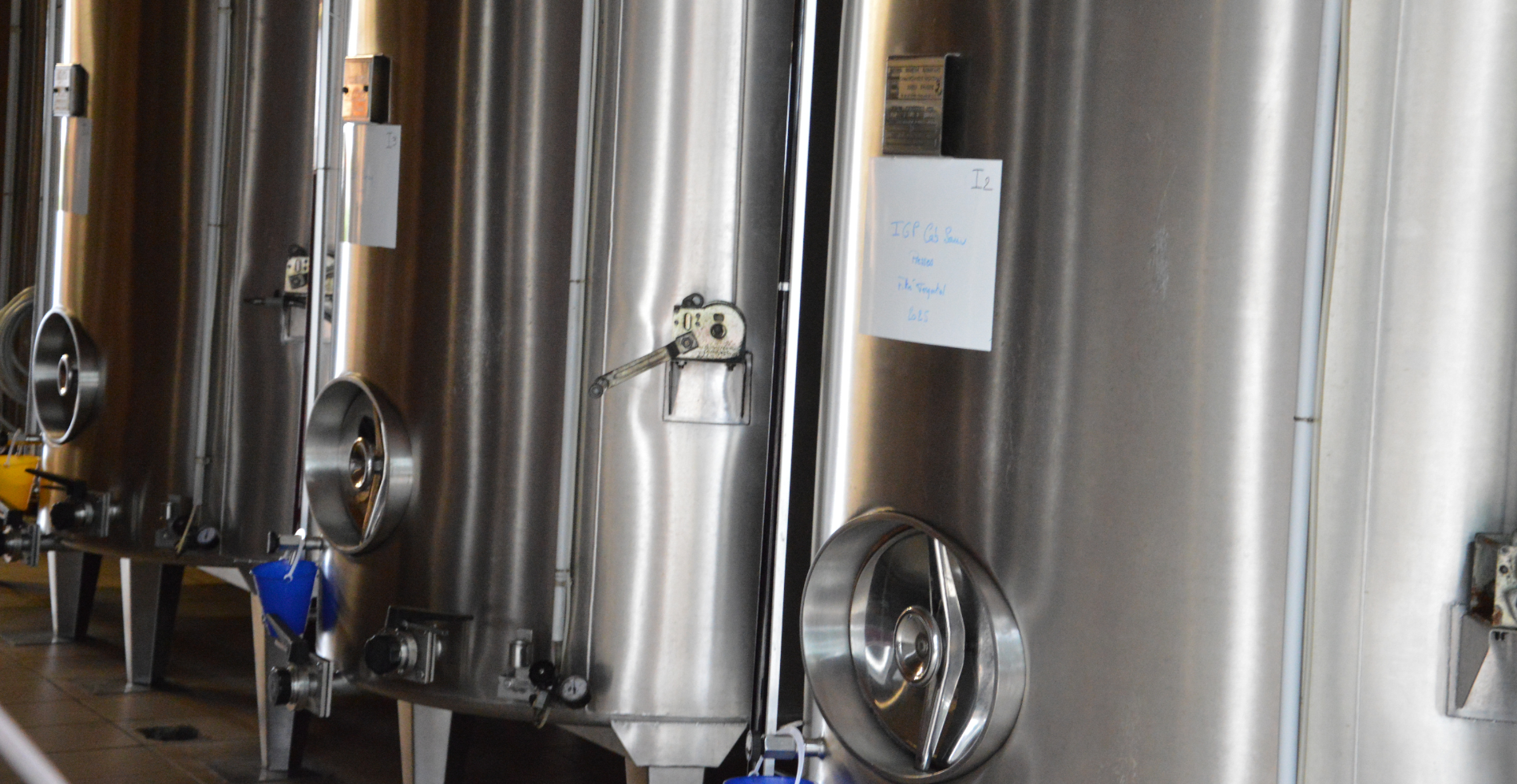
If Muscadet has a signature feature, lees aging is undeniably it. This traditional technique, unique to the Nantes vineyard, has shaped the character of our wines for generations. But what actually happens in our tanks while the wine rests? Combining scientific knowledge and time-honored expertise, Domaine Moulin Camus breaks down this essential step in the winemaking process.
Understanding lees aging
What exactly are lees?
After alcoholic fermentation, the yeasts that converted the grape sugars into alcohol run out of nutrients. They die and settle at the bottom of the tank: this deposit is what we call the lees.
A traditional Nantes region technique
Rather than removing this deposit right after fermentation—as is customary elsewhere—Muscadet winemakers take the opposite approach: allowing the wine to rest in contact with its lees from the end of fermentation until bottling. This practice is so iconic that it appears directly in the name of certain appellations, such as Muscadet Sèvre et Maine sur lie.
What happens in the cellar during aging?
Yeast autolysis: a natural process
During prolonged contact with the wine, the dead yeast cells gradually break down—a process known as autolysis. Occurring mainly over the winter months, this phenomenon releases a wide array of aromatic and texturizing compounds into the wine.
Bâtonnage: amplifying the effects
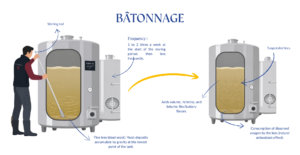
To enhance this process, some winemakers practice bâtonnage (lees stirring): the lees are resuspend into the wine once to several times a month to accelerate and intensify these interactions.
Strict rules to follow
The appellation enforces a strict regulatory framework: a minimum of six months of lees aging, no bottling before March 1st following the harvest, and bottling completed no later than late November of the following year. Without adhering to these conditions, the term “sur lie” cannot be claimed on the label.
What lees aging brings to the wine
Roundness and aromatic complexity
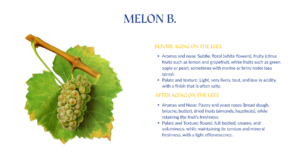
Melon de Bourgogne, the sole grape variety used in Muscadet, is naturally subtle. Lees aging enriches its texture and brings out distinct notes of brioche, almond, and hazelnut.
Freshness and a signature subtle effervescence
The carbon dioxide produced during fermentation remains dissolved in the wine, imparting that subtle, recognizable crispness on the palate along with a vibrant sense of freshness.
Enhanced aging potential
Lees also play a protective role, acting as a natural antioxidant that helps the wine preserve better and develop deeper complexity over time.
Far from being a mere technical detail, lees aging is a cornerstone of Muscadet’s identity. It transforms a delicate grape variety into a nuanced wine balanced between freshness, richness, and longevity. At Domaine Moulin Camus, this stage receives meticulous care to ensure every cuvée fully expresses what time and patience have to offer.